
Quick Summary
A pre-purchase car inspection is a hands-on assessment of a used vehicle by a qualified, independent mechanic before you buy it. It uncovers mechanical problems, hidden damage and fluid leaks that a test drive or clean exterior will not reveal, and it is documented in a written report.
- The mechanic works for you, not the seller, so the findings are unbiased.
- Inspections cover the drivetrain, brakes, suspension, fluid leaks and electrical components.
- A test drive is not a substitute, because the lift and scan tool reveal what sits underneath.
- Get the vehicle history report first so the mechanic can compare paperwork against the car.
- Use the written report to negotiate a price reduction or to walk away from a poor purchase.
Table of Contents
- What a Pre-Purchase Car Inspection Is
- Why a Pre-Purchase Inspection Matters Before You Buy
- What a Pre-Purchase Inspection Covers, Step by Step
- How to Check Used Car History Alongside the Inspection
- AMVIC Inspection Requirements and How They Differ
- Cost of a Pre-Purchase Inspection and Whether It Is Worth It
- Using Your Inspection Report to Negotiate or Walk Away
- Booking Your Inspection Before You Sign
- Frequently Asked Questions
What a Pre-Purchase Car Inspection Is
Last Updated: November 9, 2026
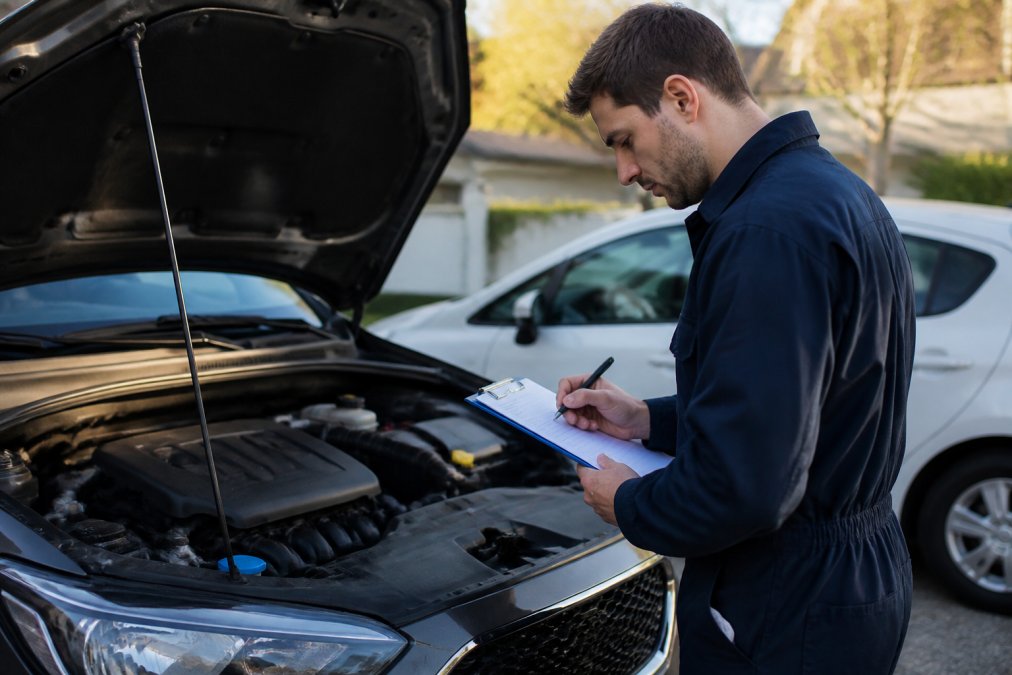
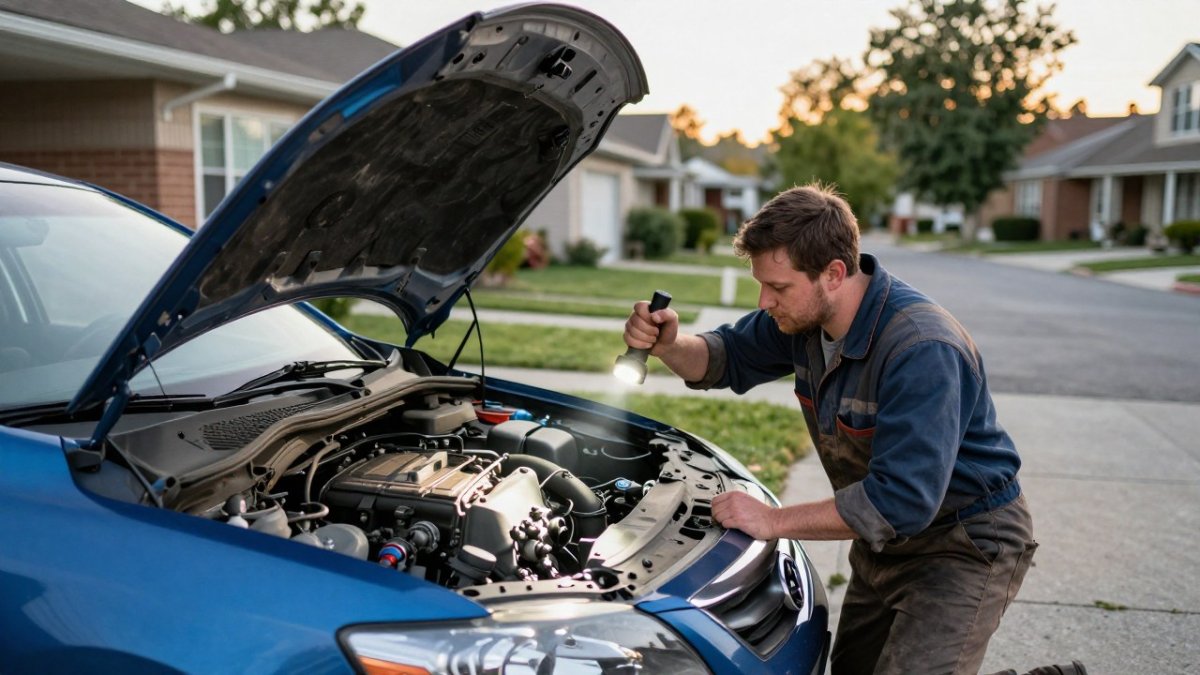
A pre-purchase car inspection is a hands-on assessment of a used vehicle by a qualified mechanic before you buy it. Vehicleinspectionservices performs these inspections across Alberta, bringing a mechanic to the vehicle’s location.
Most buyers rely on what they can see and feel. A pre-purchase inspection goes further, covering the mechanical condition, the drivetrain, the brake system, the suspension, fluid leaks, and the electrical components.
The phrase “independent” matters. The mechanic works for you, not the seller, so the findings are an unbiased report rather than a sales pitch. That distinction is why many buyers treat the inspection as an investment protection step instead of an optional extra.
Why a Pre-Purchase Inspection Matters Before You Buy
Used vehicles carry history you cannot see. A car can look spotless and still have hidden defects, frame damage, or a failing component that will cost thousands to repair. A pre-purchase inspection surfaces those risks while you still have the use to walk away or renegotiate.
The financial logic is straightforward. A few hundred dollars for an inspection is small compared with the repair bill for a transmission or engine problem that surfaces a month after purchase.
It also provides peace of mind. Knowing a certified technician has examined the car’s mechanical condition lets you buy with confidence rather than hope.
What a Pre-Purchase Inspection Covers, Step by Step
A thorough inspection follows a consistent sequence. Here is what a typical process includes:
- Vehicle history and paperwork review. The technician checks the odometer reading against service records and confirms ownership documents.
- Exterior and body assessment. This covers panel alignment, paint inconsistencies that suggest repair work, and signs of frame damage.
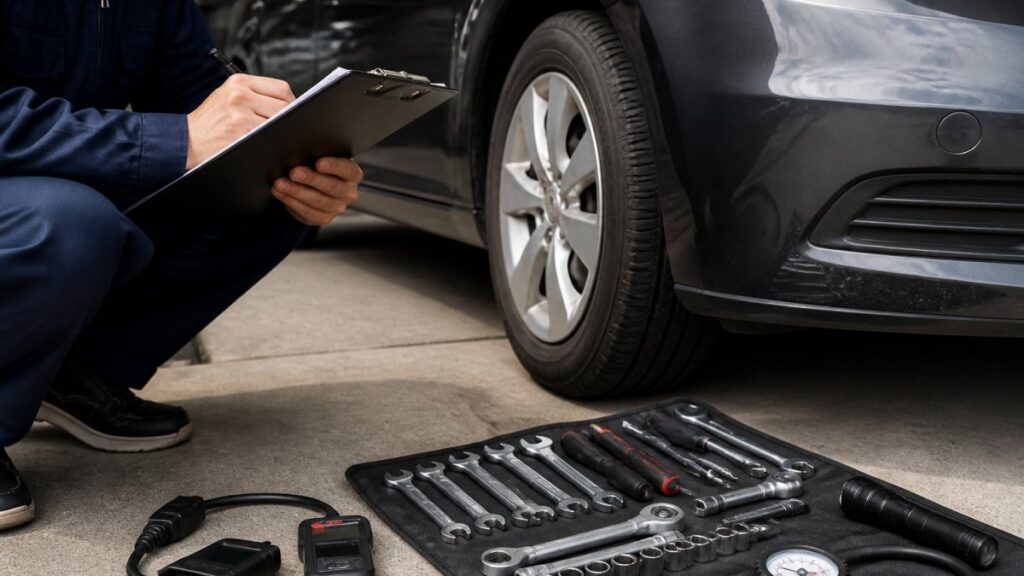
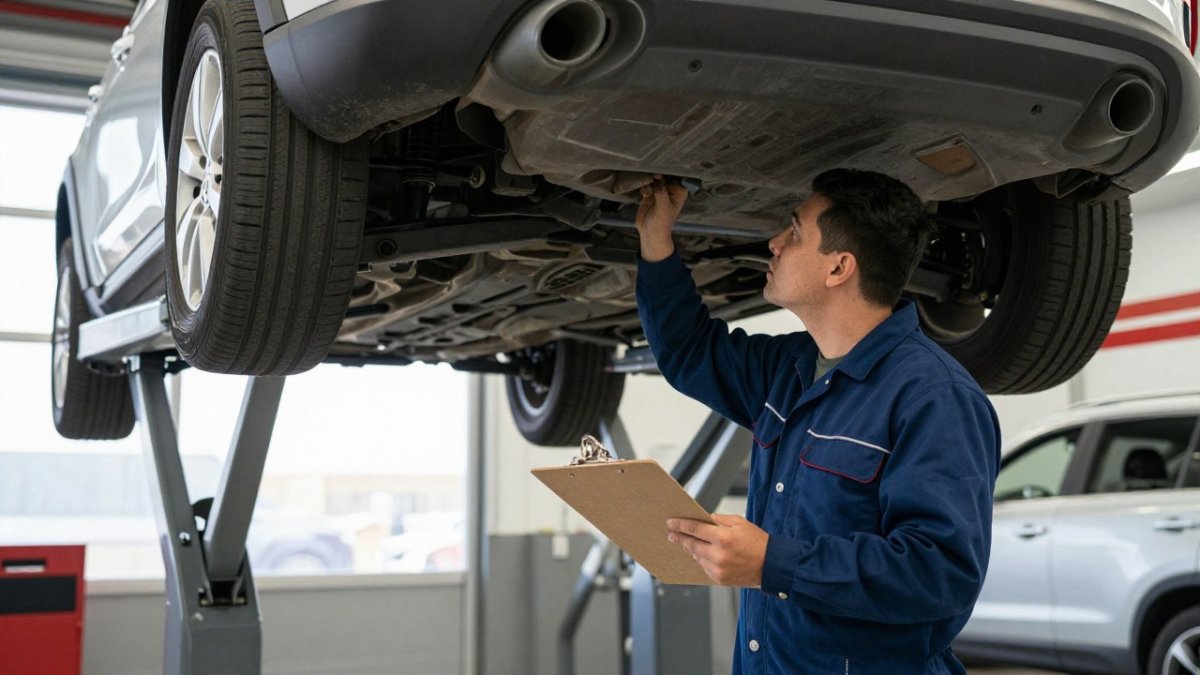
- Under-vehicle examination. The car is raised on a lift to inspect the undercarriage, exhaust, suspension components, and any fluid leaks.
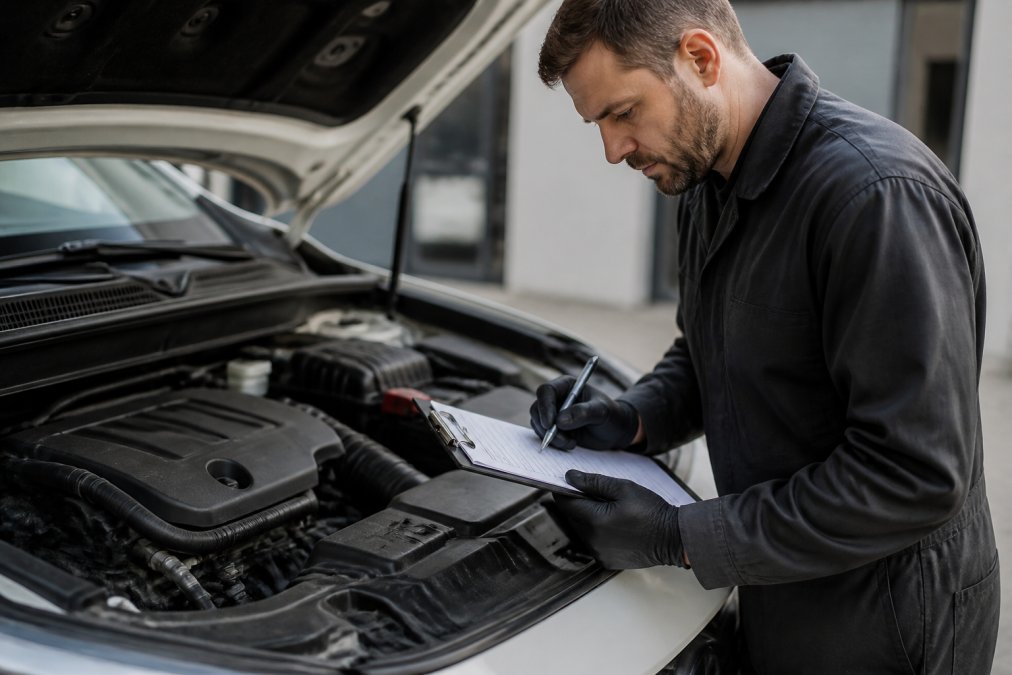
- Engine and fluids check. The technician reviews oil condition, coolant, belts, hoses, and runs a diagnostic scan for stored fault codes.
- Brake and tire inspection. Pad and rotor wear, brake line condition, and tire tread depth are measured.
- Electrical and interior systems. Lights, instrumentation, climate control, and power accessories are tested.
- Test drive. The mechanic evaluates engine performance, transmission shifts, steering, and any noises or vibrations under load.
A common mistake is treating the test drive as the inspection. A drive reveals how the car behaves, but it cannot show what sits underneath. The lift and the scan tool do that work.
The inspection follows a consistent sequence, summarised below.
| Step | What the mechanic does | Focus |
|---|---|---|
| Vehicle history and paperwork review | Checks odometer against service records and ownership documents | Paperwork |
| Exterior and body assessment | Checks panel alignment, paint inconsistencies and frame damage | Body and frame |
| Under-vehicle examination | Raises the car on a lift to inspect undercarriage and leaks | Undercarriage |
| Engine and fluids check | Reviews oil, coolant, belts, hoses and runs a diagnostic scan | Engine |
| Brake and tire inspection | Measures pad and rotor wear, brake lines and tread depth | Brakes and tires |
| Electrical and interior systems | Tests lights, instrumentation, climate control and power accessories | Electrical |
| Test drive | Evaluates engine performance, shifts, steering and noises | On the road |
How to Check Used Car History Alongside the Inspection
A vehicle history report and a physical inspection answer different questions. The history report shows reported accidents, title issues, and registration records. The inspection shows the current mechanical condition. You need both.
Request the vehicle history report before booking the inspection, so the mechanic can compare what the paperwork says against what the car shows. If a report notes a past collision but the body panels show no sign of repair, that is worth investigating. If the report is clean but the frame shows fresh welds, the discrepancy matters.
Keep maintenance records in hand as well. Consistent service history is a strong indicator of how the previous owner treated the car.
AMVIC Inspection Requirements and How They Differ
In Alberta, the Motor Vehicle Industry Council (AMVIC) oversees licensed automotive businesses (Business licence). A standard pre-purchase inspection is a private, buyer-initiated service. An AMVIC inspection is a regulated process tied to licensed automotive businesses and their obligations under provincial rules.
The two serve different purposes. A pre-purchase inspection protects you as the buyer. An AMVIC inspection relates to the regulatory compliance of the sale. Confirm the current requirements directly with AMVIC before you buy or sell, since rules can change. Book a mobile AMVIC inspection in Alberta to see how the booking process works. Vehicleinspectionservices provides AMVIC inspections alongside standard pre-purchase work, so you can ask which one your situation calls for.
Cost of a Pre-Purchase Inspection and Whether It Is Worth It
Pricing depends on the vehicle, its age, and the depth of inspection you choose, so the cost is best confirmed with the provider directly. You can check whether quotes are provided before work begins and how pricing is handled.
Several factors move the price:
-
Vehicle type and complexity. A four-cylinder sedan is faster to inspect than a diesel pickup, a hybrid, or a vehicle with air suspension and advanced driver-assistance systems.
-
Depth of the inspection. A basic mechanical check costs less than a full bumper-to-bumper inspection with a scan tool report and compression or leak-down testing.
-
Add-ons. Fluid analysis, borescope inspection of the cylinders, or a separate EV battery health report add cost.
Whether it is worth it comes down to the risk you are avoiding. A single undisclosed transmission, engine, or EV battery failure can exceed the inspection fee many times over.
A simple way to frame the decision: compare the inspection fee against your repair budget for the first year of ownership, and against the purchase price of the vehicle.
Watch out: ask what any inspection fee includes before you book, and confirm the report is written and itemized rather than a verbal summary.
Using Your Inspection Report to Negotiate or Walk Away
A written report gives you specific, documented items to discuss. Instead of saying “I think the car needs work,” you can point to a worn brake system, a leaking valve cover, or tires due for replacement, and ask for a price adjustment that reflects the repair cost. The report is also your record if the deal later goes sideways, which is why you should keep a copy and note the date, mileage, and inspector on it.
Negotiation scripts you can adapt
Keep the conversation factual and anchored to the report. Three patterns cover most situations:
- Direct reduction: “The inspection found the front brake pads at 2 millimetres and the rotors scored, and the valve cover is leaking. My mechanic quoted about $900 to fix both. I’ll pay the asking price minus $900, or you can have the work done before closing.”
- Split the difference: “The report lists $1,400 in needed repairs. I’m not asking you to cover all of it, but I’d like the price reduced by $700 so we each absorb part of the risk.”
- Seller-fixes-it: “I’m still interested, but I won’t buy it as-is with an active coolant leak. If you have it repaired and provide the invoice, I’ll proceed at the agreed price.”
Avoid emotional language and avoid disclosing your maximum budget. Anchor every ask to a line item in the report, and put the agreed adjustment in writing on the bill of sale.
Private sale versus dealership: the legal difference
The report carries different weight depending on who is selling. In a private sale, the buyer generally carries more of the responsibility for checking the vehicle, so an independent inspection report is an important protection. That makes a written, itemized report especially valuable, because it documents what you knew and when.
At a dealership, provincial consumer protection and vehicle sales rules apply. Licensed automotive businesses in Alberta are overseen by the Alberta Motor Vehicle Industry Council (AMVIC), and buyers should be aware that unlicensed sellers posing as private sellers present a separate risk.
When to walk away
Some findings should end the deal regardless of price: frame or structural damage with poor repairs, active coolant or oil leaks pointing to a failing gasket, mismatched odometer and service records, water intrusion or flood signs, unexplained warning lights or stored fault codes, and a seller who refuses an independent inspection. If the seller will not adjust the price for significant findings, walking away is a legitimate outcome. The inspection did its job by preventing a poor purchase.
Watch out: a verbal promise to “fix it after you buy” is not a negotiation result. Get the repair done before closing with an invoice, or reduce the price in writing, or walk away.
Booking Your Inspection Before You Sign
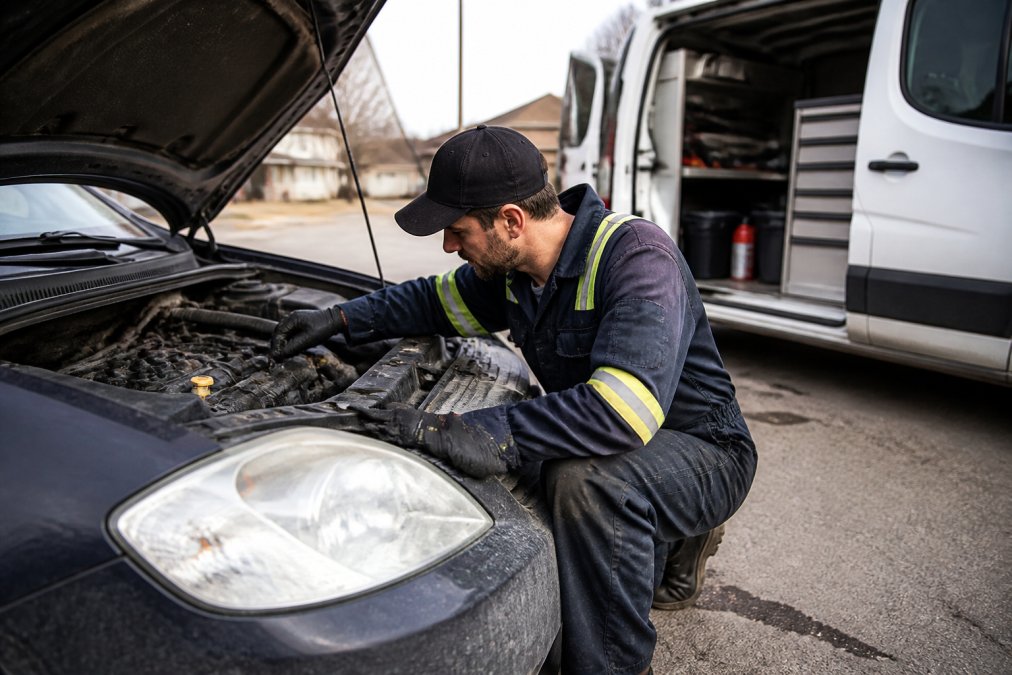
Book the inspection before you sign anything or pay a deposit. Ask the seller to hold the vehicle until the report is complete, and arrange the appointment for a time and location that suits you. Vehicleinspectionservices brings the mechanic to the vehicle’s location, so you do not need to drive a car you are still evaluating to a shop.
Mobile service is especially useful for buyers who work long hours or live outside the city. Describe your situation when you book, and confirm the service area covers the vehicle’s location. Once you have the report, you can make the buying decision with the mechanical facts in hand.
Ready to buy with confidence? Contact Vehicleinspectionservices to book a pre-purchase inspection that comes to your location, performed by a journeyman-certified mechanic who reports exactly what they find.
Frequently Asked Questions
What is included in a standard pre-purchase vehicle inspection?
A standard pre-purchase inspection covers the engine, transmission, brakes, suspension, steering, tires, fluid levels and leaks, electrical systems, and the body and frame for signs of prior damage. The mechanic also runs a diagnostic scan to check for stored fault codes that may not show up as warning lights. You receive a written report listing each finding with notes on severity, so you can judge whether a repair is minor or a reason to walk away. Ask the provider whether the inspection includes a road test, since many hidden problems only appear under load.
How much does a pre-purchase car inspection cost in CAD?
Pricing depends on the vehicle, its age, and the inspection depth you choose, so the cost is best confirmed with the provider directly. Vehicleinspectionservices offers pre-purchase inspections across Alberta with on-site service, and current pricing is available on our website or by requesting a quote. Compare the cost against the price of the vehicle and the potential repair bills it could hide. A modest inspection fee is usually small next to a major engine or transmission repair.
Is a pre-purchase inspection the same as an AMVIC inspection?
No. A pre-purchase inspection is a buyer’s evaluation of a specific vehicle before purchase, while an AMVIC inspection is tied to licensed dealer and sale requirements overseen by the Alberta Motor Vehicle Industry Council. Some situations require an AMVIC-compliant inspection, so confirm which one the transaction needs. Vehicleinspectionservices provides both pre-purchase and AMVIC inspections, and the right choice depends on who is buying, selling, and why.
Can I perform a pre-purchase inspection myself?
You can check the basics yourself, including tire wear, fluid colour, body panel alignment, and signs of rust, and running the engine cold while listening for unusual noises. However, a certified mechanic has lifts, diagnostic scanners, and experience spotting hidden defects that an untrained eye will miss. A self-check is a useful first screen, but it should not replace a professional inspection before you commit to a purchase.
What happens if a mechanic finds issues during a pre-purchase inspection?
The report will list each issue with an estimate of its severity. Minor items, such as worn wipers or a small oil seep, can often be negotiated down from the asking price. Major problems, such as frame damage or a failing transmission, are usually reasons to walk away or to request a significant price reduction. Use the written report as evidence in negotiation, and keep a copy for your records.