
Table of Contents
- What Is a Pre-Purchase Inspection and Why It Matters
- What Is Included in a Pre-Purchase Inspection
- The Real Cost-Benefit Analysis: Is It Worth the Investment
- How to Check Used Car History Before the Inspection
- Common Red Flags Found During Inspections
- Negotiating Car Price After Inspection Results
- When You Should Schedule a Pre-Purchase Inspection
- What Happens When the Mechanic Finds Issues
- Frequently Asked Questions
Last Updated: September 27, 2026
What Is a Pre-Purchase Inspection and Why It Matters
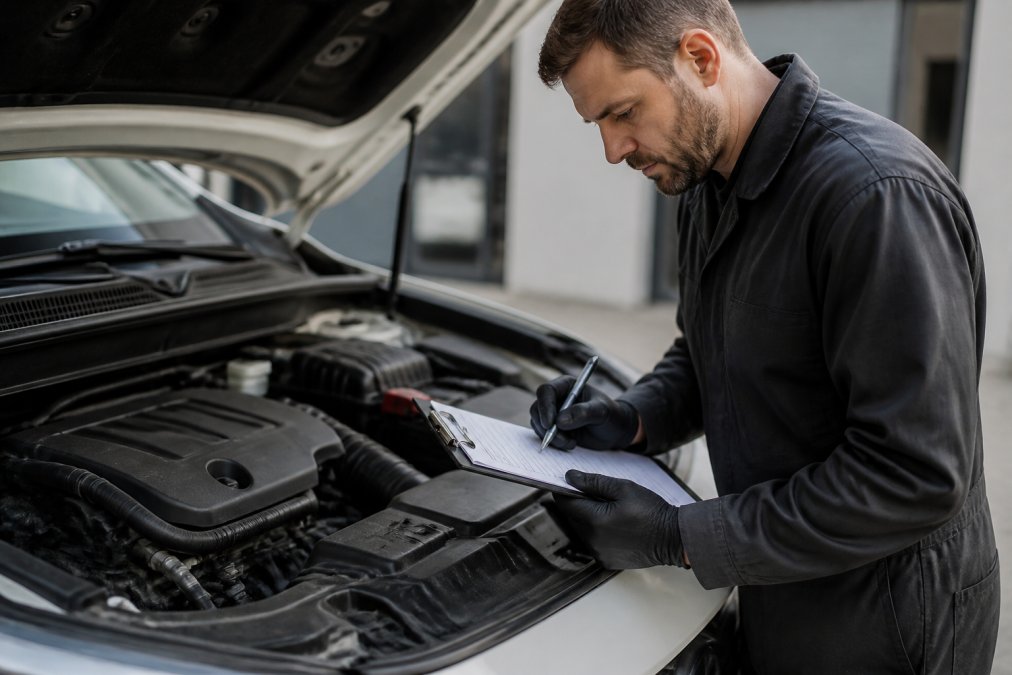
A pre-purchase inspection is a comprehensive mechanical evaluation of a used vehicle performed by a certified technician before you commit to buying it. It’s a thorough examination designed to uncover hidden defects, assess the vehicle’s actual condition, and give you concrete data to make an informed purchase decision.
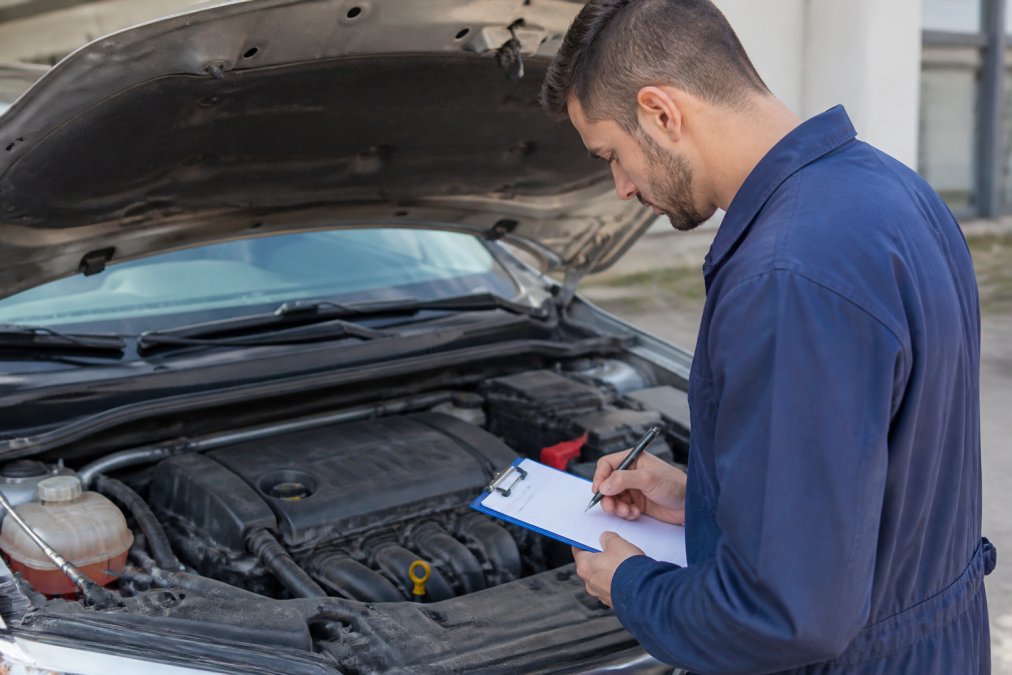
When you’re considering a used car, truck, or SUV, the seller’s assurances and your test drive tell only part of the story. A pre-purchase inspection worth the investment because it reveals what you can’t see or feel during a casual drive. A certified mechanic will check everything from engine performance and transmission health to suspension components, brake wear, electrical systems, and structural integrity (Pre-Purchase Vehicle Inspection Video).
At Vehicleinspectionservices, our journeyman-certified mechanics deliver precision and reliability to ensure your vehicle remains safe and performs at its peak. An inspection report gives you use in negotiations, protects your investment, and provides genuine peace of mind.
The real question isn’t whether inspections are worth the cost. It’s whether you can afford not to get one.
What Is Included in a Pre-Purchase Inspection
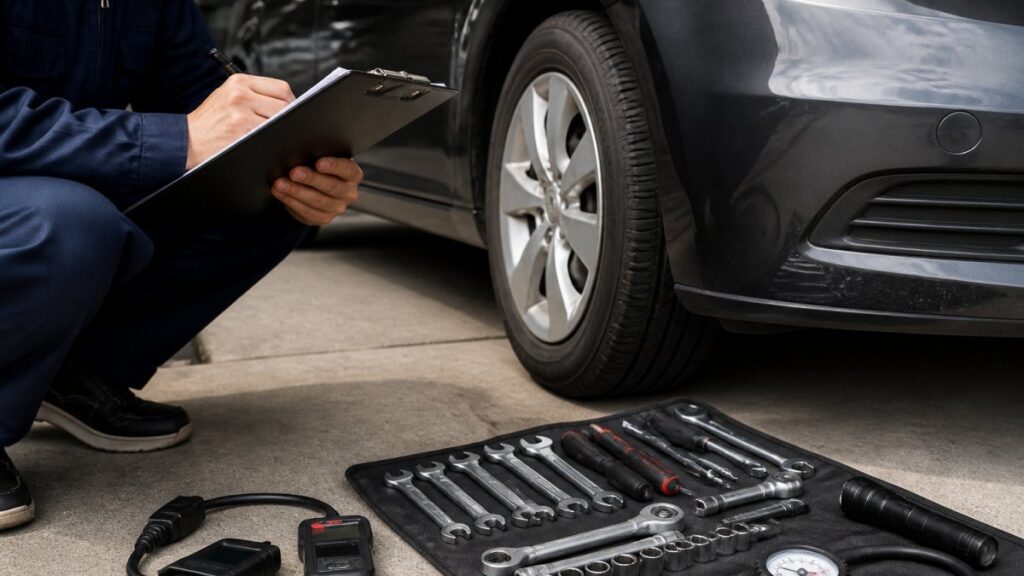
A comprehensive pre-purchase inspection covers the mechanical systems that determine whether a vehicle is safe, reliable, and worth the asking price. Here’s what a certified technician evaluates:
Engine and Performance: The mechanic runs a diagnostic scan to identify any fault codes, checks fluid levels and condition, inspects belts and hoses, and assesses overall engine performance. This catches early warning signs of major engine problems before you buy.
Transmission and Drivetrain: Automatic or manual, the transmission is one of the most expensive components to repair. The inspection includes fluid condition checks, shift quality assessment, and any signs of slippage or grinding.
Suspension and Steering: Worn suspension components affect handling, comfort, and safety. The technician checks shock absorbers, struts, springs, control arms, and steering components for wear and damage.
Brakes: Brake wear, rotor condition, fluid quality, and overall braking performance are assessed. This is a safety-critical system that directly impacts your ability to stop safely.
Electrical System: Battery health, alternator function, starter condition, and wiring integrity are tested. Electrical problems can be expensive and difficult to diagnose after purchase.
Tires and Wheels: Tire tread depth, wear patterns, alignment, and wheel condition reveal how the vehicle has been driven and maintained. Uneven wear signals suspension or alignment issues.
Undercarriage and Frame: Rust and corrosion, frame damage, and structural integrity are inspected. This is where hidden problems often hide, salt exposure, accident damage, and water intrusion show up here.
Fluid Analysis: Oil, coolant, transmission fluid, and brake fluid are checked for condition, contamination, and proper levels. Fluid condition tells a story about maintenance history and potential problems.
Lights, Wipers, and Accessories: All exterior and interior lighting, wipers, locks, windows, and climate control systems are tested to ensure they function properly.
The Real Cost-Benefit Analysis: Is It Worth the Investment
Whether a pre-purchase inspection worth the cost depends on what you’re protecting and what you’re risking. The math is straightforward: the cost of an inspection is a fraction of what a single major repair can cost you.
Protection Against Hidden Defects
Used vehicles carry uncertainty. A car that looks clean and drives smoothly on a 20-minute test drive might have serious underlying problems. Hidden defects, transmission issues that haven’t surfaced yet, engine wear that hasn’t triggered warning lights, frame damage from a previous accident, can cost thousands to repair after you own the vehicle.
An inspection report documents the vehicle’s actual condition and gives you documented evidence if major problems emerge shortly after purchase. More importantly, it helps in early detection of car issues to prevent major repairs. Many buyers discover too late that the “great deal” they found comes with repair bills that exceed what they saved on the purchase price.
Early Detection Prevents Major Repairs
The inspection process identifies issues when they’re small and manageable, not after they’ve cascaded into catastrophic failures. A mechanic might find that brake pads are worn but rotors are still good, a moderate repair. Early detection of car issues helps prevent major repairs.
Early detection also helps you budget realistically. If the inspection reveals that the vehicle needs new tires, suspension work, or fluid flushes, you know exactly what to expect. You can factor those costs into your negotiation or walk away before committing to a purchase you can’t afford to maintain properly.
How to Check Used Car History Before the Inspection
Before scheduling a pre-purchase inspection, run a vehicle history report to understand the car’s background. This step takes 10 minutes and costs very little, but it saves time and money by eliminating vehicles with serious red flags before you invest in a full inspection.
A vehicle history report pulls data from insurance claims, accident records, title information, and service records. Look for signs of major accidents, flood damage, title problems, or multiple ownership changes in short timeframes. These are warning signs that warrant extra scrutiny during the inspection, or reasons to walk away entirely.
Pay attention to the odometer reading history. Sudden jumps in mileage between records, or readings that decrease over time, suggest odometer fraud. Consistent mileage progression indicates the vehicle has been driven normally and records have been maintained properly.
Service records matter. A vehicle with documented maintenance at regular intervals is more likely to have been cared for properly. Vehicles with no service history are riskier because you don’t know whether routine maintenance was performed.
Once you’ve confirmed the history looks reasonable, that’s when a pre-purchase inspection worth scheduling. You’re not wasting time inspecting a vehicle with serious background problems.
Common Red Flags Found During Inspections
Certified technicians know what to look for, and certain findings consistently indicate problems worth addressing before purchase.
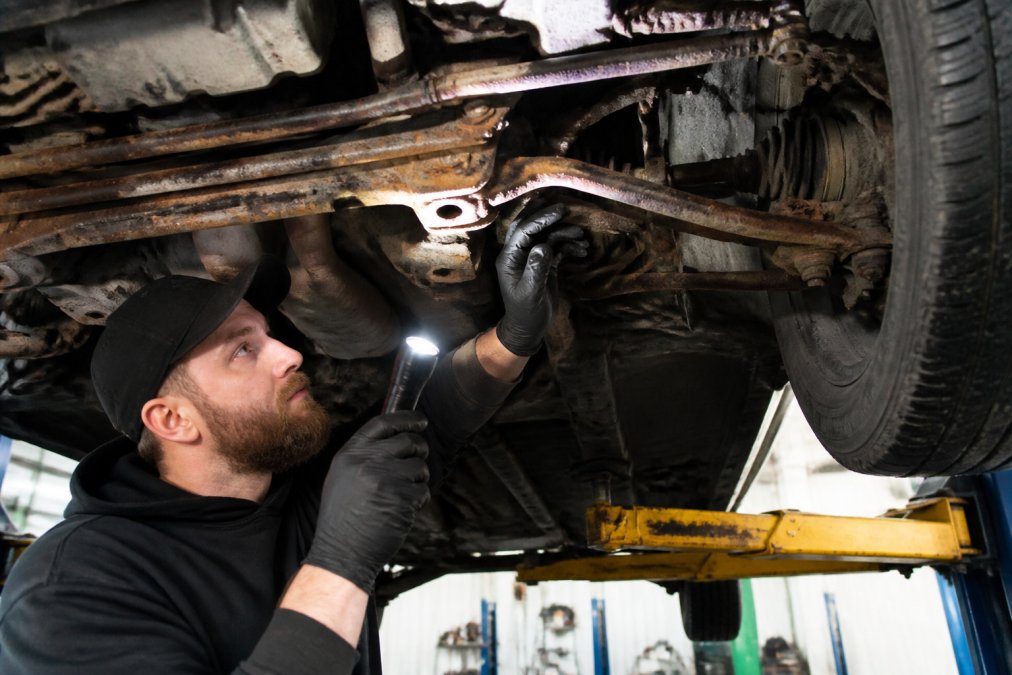
Rust and Corrosion: Surface rust on fasteners is normal. Deep rust on structural components, frame rails, or undercarriage is a serious concern. Corrosion indicates the vehicle has been exposed to salt or moisture and may have structural integrity issues.
Fluid Leaks: Any fluid dripping from the engine, transmission, or suspension is a red flag. Small leaks become big problems quickly. The color and location of the leak tell the mechanic what system is affected and how urgent the repair is.
Worn Brake Components: Brake pads worn to the backing plate, damaged rotors, or spongy brake pedal feel all indicate brake system problems. Brakes are a safety system and must be addressed before the vehicle is driven.
Transmission Issues: Harsh shifting, delayed engagement, slipping, or grinding sounds during acceleration suggest transmission problems. Transmission repairs are expensive, often exceeding the value of the vehicle itself.
Engine Knock or Misfire: Diagnostic codes related to misfires, knock sensors, or combustion problems indicate engine wear or damage. These issues affect performance and fuel economy and can lead to catastrophic engine failure.
Accident History Not Disclosed: Frame damage, misaligned panels, or evidence of major repair work that wasn’t mentioned by the seller is a serious concern. Accident damage affects vehicle safety and resale value.
Suspension Wear: Clunking sounds, uneven tire wear, or a vehicle that sits noticeably lower on one side indicates suspension problems. Worn suspension affects handling, comfort, and safety.
Negotiating Car Price After Inspection Results
An inspection report is your negotiation use. If the inspection uncovers issues, you have documented evidence to support a lower offer or to request that the seller make repairs before closing.
When you have a detailed inspection report showing specific problems, you shift from subjective opinion to objective fact. The seller can’t argue about the condition, the mechanic’s findings are documented. This changes the negotiation dynamic significantly.
Calculate the cost of repairs identified in the inspection. Get repair estimates from local shops if the inspection report doesn’t include them.
When You Should Schedule a Pre-Purchase Inspection
Timing matters. Schedule the inspection after you’ve made a preliminary offer but before you’ve committed to the purchase. Most sellers expect an inspection as part of the buying process, and many will allow you to have the vehicle inspected before finalizing the sale.
What Happens When the Mechanic Finds Issues
An inspection report documents findings, but it doesn’t make the decision for you. Your response depends on the severity of the problems discovered and your tolerance for risk and repair costs.
| Inspection Component | What It Covers | Why It Matters |
|---|---|---|
| Engine and Diagnostics | Performance, fluid condition, fault codes | Catches major engine problems early |
| Transmission | Fluid condition, shift quality, signs of wear | Prevents expensive transmission failures |
| Brakes | Pad wear, rotor condition, fluid quality | Critical for vehicle safety |
| Suspension | Shocks, struts, control arms, alignment | Affects handling and safety |
| Undercarriage | Rust, frame damage, corrosion | Reveals hidden structural problems |
| Electrical System | Battery, alternator, starter, wiring | Identifies costly electrical repairs |
Frequently Asked Questions
Should I get a pre-purchase inspection before buying a used vehicle?
Yes. A pre-purchase inspection protects your investment by identifying hidden defects, mechanical issues, and safety concerns before you commit to the purchase. The inspection cost is minimal compared to the price of major repairs or the risk of buying a vehicle with frame damage, transmission problems, or accident history. Most buyers find the peace of mind and negotiation leverage worth the expense.
What is included in a pre-purchase inspection?
A comprehensive pre-purchase inspection covers the engine, transmission, suspension, braking system, electrical components, fluid analysis, undercarriage condition, tire tread depth, rust and corrosion, and a diagnostic scan. Some inspections include a test drive to assess engine performance and handling. The scope may vary depending on the vehicle type and inspection provider.
How do I check a used car’s history before the inspection?
Request the vehicle history report from the seller, which documents accident history, service records, and title status. Verify the odometer reading against maintenance records to spot inconsistencies. This background work helps your certified technician focus the inspection on areas of concern and gives you negotiation leverage if issues arise.
Can I use the inspection report to negotiate the purchase price?
Yes. If the inspection uncovers major repairs needed, frame damage, or safety concerns, you have clear grounds to request a price reduction or ask the seller to complete repairs before purchase. Use repair estimates from the inspection report as your negotiation baseline. Minor wear items may not warrant significant discounts, but substantial mechanical issues or safety failures give you strong leverage to renegotiate or walk away.