

Table of Contents
- What Mobile Vehicle Inspection Actually Delivers
- Mobile Vehicle Inspection vs. Dealership Inspection
- What Does a Pre-Purchase Vehicle Inspection Include
- Mobile Car Inspection Cost and Time Investment
- How Long Does a Pre-Purchase Inspection Take
- When Mobile Inspection Makes the Most Sense
- Key Limitations You Should Understand
- Frequently Asked Questions
Last Updated: October 11, 2026
What Mobile Vehicle Inspection Actually Delivers
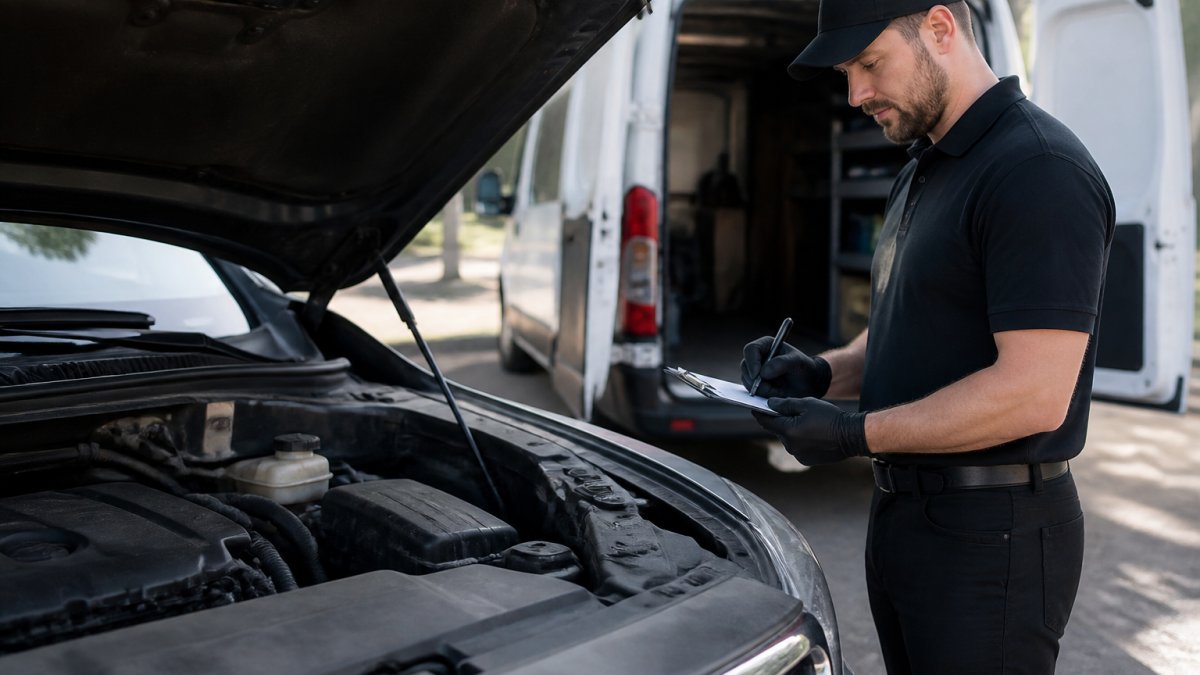
A mobile vehicle inspection is a professional assessment of a used car’s mechanical condition, safety systems, and overall reliability performed at the vehicle’s current location, your driveway, a parking lot, or the seller’s property. Rather than driving the car to a shop, a certified mechanic comes to you with diagnostic tools and delivers a detailed report of what they find.
The core value proposition is straightforward: convenience combined with professional expertise. For busy professionals, this eliminates the friction of coordinating transportation and scheduling around shop hours. But the real question isn’t whether mobile inspections are convenient, it’s whether that convenience delivers enough diagnostic insight to justify the cost and whether the findings actually change your purchase decision.
The worth of a mobile inspection depends entirely on your specific situation: what you’re buying, how much you’re paying, and whether you have time to visit a traditional shop. Some buyers get tremendous value. Others would have been fine with a dealership inspection or skipping it altogether.
Mobile Vehicle Inspection vs. Dealership Inspection
The practical difference between a mobile inspection and a dealership inspection comes down to access, equipment, and independence.
A dealership inspection happens on the dealer’s premises, usually on a lift with full access to the underbody, suspension components, and diagnostic scanning equipment. The inspector has every tool available. The limitation is bias: dealership inspectors have financial incentive to minimize what they report or to recommend unnecessary repairs to justify their markup.
A mobile vehicle inspection happens where the car sits. Your inspector brings portable diagnostic equipment and a flashlight. They can assess the engine bay, suspension, brakes, and tires thoroughly. What they cannot do is lift the vehicle to inspect the complete underbody, transmission pan, or deep suspension components without specialized equipment on site.
The trade-off is real. Mobile inspections sacrifice some diagnostic depth for independence and convenience. You’re paying for an unbiased third-party opinion from someone who has no financial stake in whether you buy the car. That independence matters, especially when you’re buying privately or from a small dealer where there’s no institutional reputation to protect.
| Inspection Type | Access to Underbody | Equipment Available | Bias Risk | Convenience |
|---|---|---|---|---|
| Mobile | Limited (visual only) | Portable diagnostics | Low | High |
| Dealership | Full (on lift) | Complete shop tools | High | Medium |
| Independent Shop | Full (on lift) | Complete shop tools | Low | Medium |
What Does a Pre-Purchase Vehicle Inspection Include
A comprehensive pre-purchase vehicle inspection covers the mechanical systems, safety components, and structural condition that determine whether a used car is reliable or headed for expensive repairs.
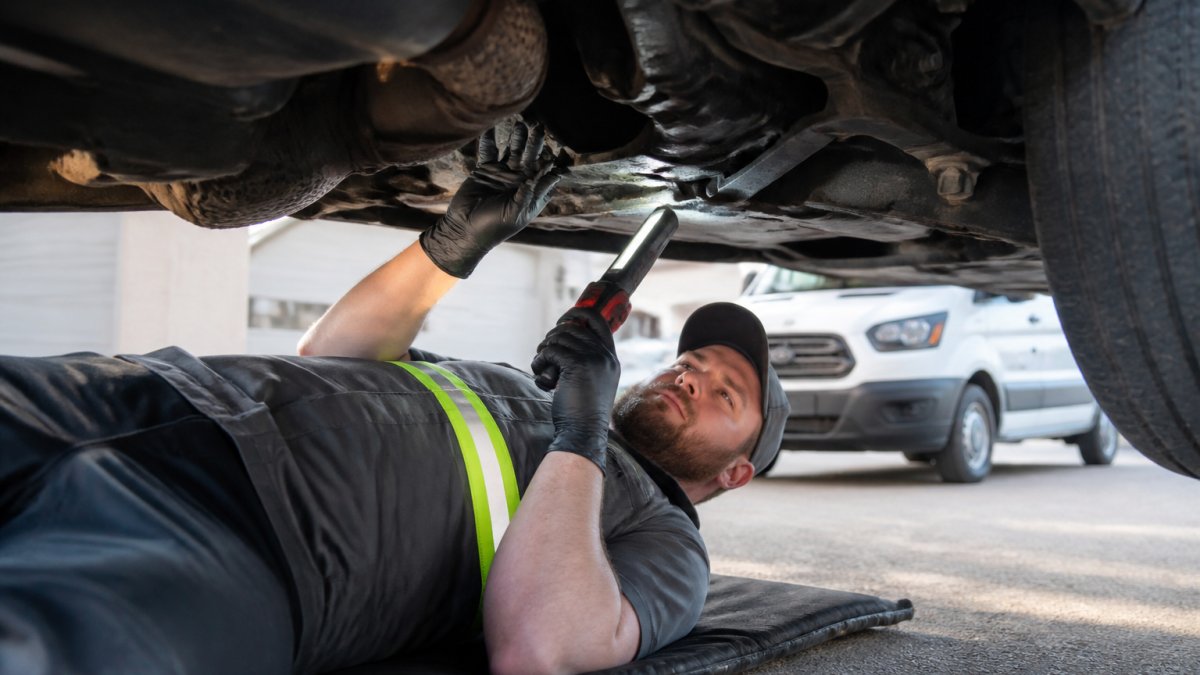
A mobile inspector will also note visible signs of damage, rust, accident history indicators, and maintenance records. They’re looking for evidence of neglect, poor repair history, or hidden problems that suggest the vehicle has been abused or inadequately maintained.
The output is a detailed report, usually digital, that catalogs what they found, rates the severity of any issues, and estimates repair costs for problems identified. A good report distinguishes between maintenance items (brake pads wearing normally) and structural or mechanical failures (transmission slipping, frame damage) so you understand the difference between routine upkeep and major repairs.
Mobile Car Inspection Cost and Time Investment
The financial case for a mobile vehicle inspection hinges on a simple calculation: does the inspection fee prevent a costlier mistake?
Mobile pre-purchase inspections depend on vehicle age, mileage, and complexity. You’re paying for the mechanic’s time and portable tools, not a building.
The time investment is modest: a thorough assessment takes 60 to 90 minutes on site. You avoid scheduling delays, transportation coordination, and the friction of fitting a shop appointment into your week.
When the inspection pays for itself: If you’re buying a used vehicle from a private seller or small dealer, an inspection that uncovers a transmission, engine, or frame problem can pay for itself many times over.
If you’re buying an economy car with known high mileage, the inspection still makes sense: it confirms whether the vehicle is mechanically sound or approaching major repairs. An inspection that reveals a failing transmission saves you from a costly mistake.
If you’re buying a high-value vehicle with full service history from a reputable dealer, the inspection is valuable for peace of mind and to verify dealer claims, but the risk profile is lower.
The real cost of skipping the inspection: A used car purchase without professional assessment exposes you to repair costs that often exceed the inspection fee by 10-50 times.
Use this framework: If you’re buying privately or from a small dealer, the inspection fee is almost always justified. If the vehicle comes with a dealer warranty, the inspection is still valuable but the cost-benefit is less dramatic.
How Long Does a Pre-Purchase Inspection Take
A thorough mobile vehicle inspection typically takes 60 to 90 minutes from arrival to completion of the physical assessment.
The timeline depends on the vehicle’s condition and complexity. A straightforward inspection of a well-maintained sedan might finish in an hour. A detailed assessment of an older truck with multiple systems to evaluate could stretch to two hours. The inspector isn’t rushing, they’re methodically checking every major system and documenting findings.
After the physical inspection, you’ll typically receive a written or digital report. That report becomes your decision-making tool: you review the findings, get repair estimates if needed, and decide whether to proceed with the purchase, renegotiate the price, or walk away.
Request the inspection report in digital format so you can share it with a trusted mechanic for a second opinion on any major findings. This is especially valuable if the inspector identifies expensive repairs you’re unsure about.
When Mobile Inspection Makes the Most Sense
Mobile vehicle inspection is most valuable when you’re buying privately, when the vehicle has high mileage or age, or when you cannot spare the time to visit a traditional shop. But the real decision depends on a practical framework: vehicle type, seller cooperation, warning signs, and inspection access.
Choose mobile inspection if:
-
You’re buying privately. Private sales carry no institutional accountability. The seller has no liability if the transmission fails the day after purchase. A mobile inspection gives you professional assessment and documented findings without requiring the seller to cooperate with a shop visit. The inspector comes to the seller’s location, reducing friction and increasing the likelihood they’ll agree to the assessment.
-
The vehicle has high mileage (over 150,000 km) or is older than 10 years. Probability of hidden problems increases with age and use. A mobile inspection catches developing issues, worn suspension, failing seals, electrical gremlins, before they become catastrophic. The inspection cost is low relative to the repair exposure.
-
You have limited time or transportation. Busy professionals and multi-vehicle households benefit from mobile inspections because the service eliminates scheduling friction. You don’t arrange time off work, coordinate a second vehicle, or wait for shop availability. The inspector comes to your driveway, parking lot, or workplace.
-
The seller is reluctant to let the vehicle leave their property. Some private sellers won’t allow you to take the car to a shop for inspection. A mobile inspector can assess the vehicle on-site without requiring the seller to release it, reducing seller resistance and giving you professional findings anyway.
-
You’re buying from a small or independent dealer without a service department. Small dealers often lack in-house inspection capability. A mobile inspector provides the assessment the dealer cannot, and the findings are independent of dealer incentives.
Choose a traditional shop inspection if:
-
The vehicle has accident history, frame damage, or structural concerns. A shop lift provides full underbody access, frame measurement tools, and the ability to inspect suspension geometry, transmission pan, and hidden rust. If you suspect structural problems, mobile inspection findings should be verified with lift access before you commit to the purchase.
-
You’re buying a high-value vehicle ($40,000+) with complex integrated systems. Luxury vehicles, performance cars, and newer models with advanced electronics benefit from dealership diagnostic equipment. A full dealership scan can identify electrical, transmission, and engine management issues that portable scanners cannot detect.
-
Weather conditions are poor. Heavy rain, snow, or extreme cold limits what a mobile inspector can safely assess. A shop inspection happens in a controlled environment where every system can be thoroughly evaluated regardless of conditions.
-
The seller is cooperative and the vehicle is already at a dealer or shop. If the seller is willing to have the vehicle inspected at a shop and the car is already there, a traditional inspection on a lift provides maximum diagnostic depth without additional transportation.
Red flags that demand shop inspection, not mobile:
- Visible frame damage, welding marks, or evidence of major collision repair
- Transmission slipping, grinding, or delayed engagement
- Engine knocking, overheating, or oil leaks
- Suspension clunking, severe pulling, or uneven tire wear
- Electrical problems affecting multiple systems
If a mobile inspector identifies any of these issues, get a second opinion from a traditional shop before walking away from the purchase.
Ask the seller upfront whether they’ll allow a mobile inspection at their location. Most private sellers agree because it’s convenient and non-invasive. If a seller refuses inspection, that’s a warning sign worth taking seriously.
Key Limitations You Should Understand
Mobile inspections cannot replicate the diagnostic depth of a full-service shop inspection because they lack lift access and specialized equipment.
Without a lift, an inspector cannot fully assess the transmission pan, differential, complete suspension geometry, or frame integrity. They can spot obvious rust or damage, but hidden structural problems require the vehicle to be elevated and fully exposed. If you’re buying an older vehicle with accident history, a traditional shop inspection on a lift provides more certainty.
Portable diagnostic scanners are powerful but not equivalent to full dealership diagnostic systems. A mobile inspector can read engine codes and assess basic electrical function. They cannot perform the deep system diagnostics that a dealership scanner can run on integrated vehicle systems.
Weather also affects mobile inspections. Heavy rain, snow, or extreme cold can limit what an inspector can safely assess. A shop inspection happens in a controlled environment where every system can be thoroughly evaluated regardless of conditions.
If an inspector identifies major structural damage, transmission problems, or frame issues, get a second opinion from a traditional shop before walking away from the purchase. Mobile inspection findings on complex problems should be verified with lift access and full diagnostic equipment.
Buying a used vehicle without professional assessment is a gamble that often costs thousands more in unexpected repairs. Our journeyman-certified mechanics identify problems early so you make an informed decision and avoid purchasing a vehicle headed for major repairs. Contact us to schedule your pre-purchase inspection and get the peace of mind you deserve before signing the papers.
Frequently Asked Questions
Is a mobile pre-purchase inspection as thorough as a dealership inspection?
Mobile inspections by certified mechanics cover mechanical, safety, and condition checks equivalent to dealership inspections. The main difference is access: dealership shops have vehicle lifts for comprehensive underbody work, while mobile inspectors use portable equipment and visual assessment. For most pre-purchase decisions, mobile inspection findings are reliable. However, if the vehicle shows signs of suspension or underbody damage, a follow-up lift inspection at a shop may be warranted before finalizing your purchase.
What does a mobile vehicle inspection include?
A comprehensive mobile vehicle inspection covers engine condition, braking system, suspension and steering, fluid levels and leaks, electrical systems, lighting, tire condition, safety equipment, and vehicle history cross-reference. The inspector performs a road test, checks for warning lights, and documents findings in a detailed report. Scope depends on inspection type: pre-purchase inspections are most thorough, while routine maintenance inspections focus on specific systems or compliance requirements.
How long does a pre-purchase inspection take?
A typical pre-purchase mobile vehicle inspection takes 1 to 2 hours, depending on vehicle condition and age. Newer vehicles with fewer issues may finish closer to 1 hour, while older or higher-mileage vehicles requiring deeper investigation can extend toward 2 hours. The inspector will perform a visual inspection, road test, and detailed diagnostic checks before compiling your report. Scheduling flexibility means the inspection happens at your convenience, not the shop’s.
When is a mobile vehicle inspection not worth the cost?
Mobile inspection is less valuable if you’re buying from a trusted dealer with a certified pre-owned warranty, purchasing a very new vehicle still under manufacturer warranty, or if the vehicle has already undergone a recent professional inspection. Additionally, if the vehicle exhibits obvious major damage or mechanical failure, spending on inspection before negotiating repair responsibility may not be cost-effective. For routine maintenance on vehicles you already own, mobile inspection is worth the convenience; for used-car purchases, the investment typically pays for itself by preventing expensive surprises.