
Table of Contents
- What Is an On-Site Car Safety Inspection?
- How to Prepare for a Vehicle Safety Inspection
- Step-by-Step: Booking Your On-Site Inspection
- Understanding AMVIC Inspection Requirements
- What to Expect During Your Inspection
- Mobile Mechanic Safety Check Cost and Value
- What Happens If Your Vehicle Fails Inspection
- Frequently Asked Questions
Last Updated: September 20, 2026
What Is an On-Site Car Safety Inspection?
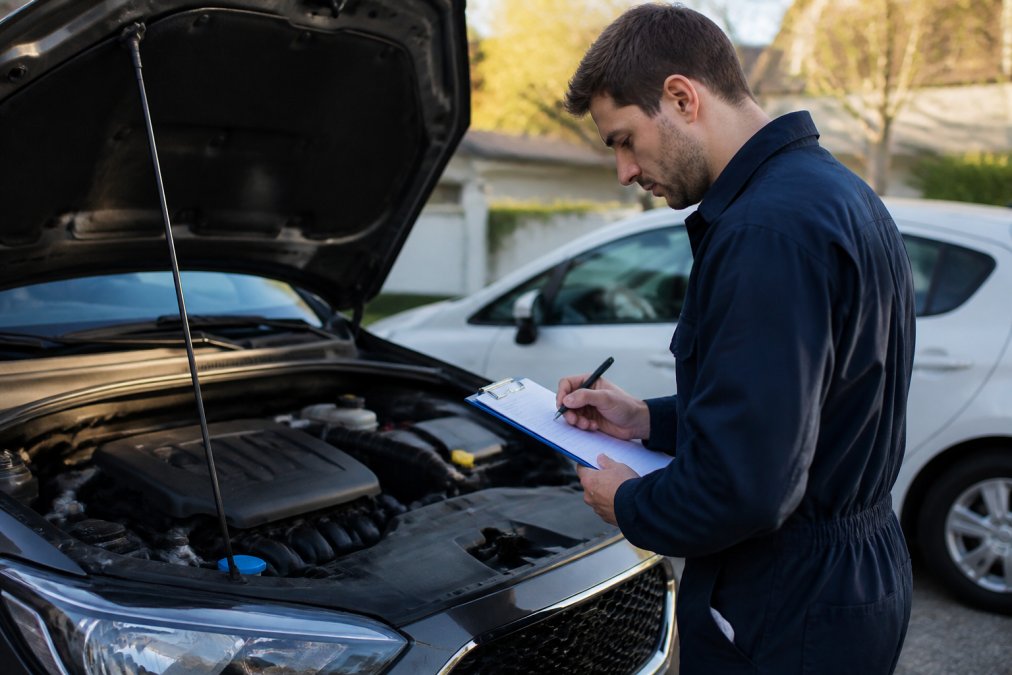
An on-site car safety inspection is a comprehensive evaluation of your vehicle’s mechanical and safety systems performed at your location rather than at a fixed facility. A licensed, trade-qualified mechanic comes to you, whether at home, work, or elsewhere, to assess critical components like brakes, steering, suspension, exhaust systems, and seat belts.
This type of inspection serves multiple purposes. You might need one before purchasing a used vehicle to verify its roadworthiness. You could require it for insurance compliance to maintain coverage. Or you might simply want peace of mind that your vehicle operates safely before a long road trip.
The key advantage is convenience. Instead of driving to a shop and waiting in a waiting room, you get professional evaluation on your schedule. Our journeyman-certified mechanics bring diagnostic expertise directly to your location, identifying potential safety issues before they become expensive repairs.
Request a pre-inspection consultation call with your service provider. This five-minute conversation lets you describe any concerns (unusual noises, warning lights, handling issues) so the inspector arrives prepared and can prioritize what matters most to you.
How to Prepare for a Vehicle Safety Inspection
Preparation increases the likelihood of passing inspection and helps inspectors identify issues quickly. A few simple steps beforehand can reveal problems you might otherwise miss and demonstrate that you maintain your vehicle responsibly.
Start by checking your vehicle’s exterior. Look for visible rust, cracks in the windshield, or damaged lights. Walk around the car and press on each tire, they should feel firm, not spongy. Check that all lights work: headlights, brake lights, turn signals, and interior dome lights. These are safety essentials that inspectors always verify.
Next, review your dashboard. Start the engine and note any warning lights that appear. Common ones include the check engine light, battery warning, or oil pressure indicator. Document these for the inspector so they know what to investigate. Listen for unusual sounds, grinding, squealing, or knocking, and note when they occur.
Finally, gather your vehicle’s documentation. Bring your maintenance records, previous inspection reports, and the vehicle identification number (VIN). This history helps inspectors understand what repairs have been completed and what might need attention.
Pre-Inspection Checklist for Vehicle Owners
- Check all exterior lights (headlights, brake lights, turn signals, fog lights)
- Inspect tire condition and pressure; ensure tread depth is adequate
- Look for visible rust, cracks, or damage to body panels and windshield
- Start the engine and note any dashboard warning lights
- Listen for unusual engine, transmission, or suspension noises
- Test windshield wipers and washer fluid
- Check that seat belts function smoothly
- Verify all doors and windows open and close properly
- Gather vehicle documentation: maintenance records, VIN, previous inspection reports
- Clean the engine bay if heavily soiled (helps inspectors see components clearly)
The best inspections happen when owners communicate openly about concerns. If your vehicle pulls to one side, hesitates during acceleration, or has made a new sound, tell the inspector. These details guide their diagnostic process and often reveal the root cause faster.
Step-by-Step: Booking Your On-Site Inspection
Booking an on-site inspection typically takes just a few minutes and follows a straightforward process. Most providers, including Vehicleinspectionservices, handle scheduling through a simple online or phone-based system.
Start by contacting your chosen service provider. Describe what type of inspection you need: pre-purchase (for a vehicle you’re considering buying), insurance-mandated (required by your insurer), AMVIC certification (for selling), or routine maintenance. Each type focuses on slightly different components, so clarity helps the inspector prepare.
Provide your vehicle’s details: make, model, year, and current mileage. If you’re having a pre-purchase inspection, include the vehicle’s location. Mention any specific concerns, recent warning lights, unusual noises, or known issues, so the inspector can prioritize diagnostics.
Choose your appointment time. Most mobile services offer flexible scheduling, including evenings and weekends, since they come to you. Confirm the location where the inspection will occur: your home driveway, workplace parking lot, or another address.
Before the appointment, ensure the vehicle is accessible and parked on level ground. Clear the area of obstacles so the inspector can move safely around the vehicle. Have your keys ready and any relevant documentation nearby.
Choosing Between Mobile and In-Shop Inspections
Mobile inspections bring the mechanic to you, eliminating the need to drive to a facility. This saves time, especially if you work irregular hours or live far from service centers. You can observe the inspection in progress and ask questions as they work.
In-shop inspections require you to drive the vehicle to a facility, but some owners prefer this option because shops may have specialized equipment for certain diagnostics. However, you’ll typically wait several hours for results.
For most situations, a mobile on-site car safety inspection offers superior value. You avoid the commute, maintain control of your schedule, and gain direct access to the inspector’s findings. Vehicleinspectionservices operates across Alberta, offering convenient scheduling for mobile inspections.
The choice ultimately depends on your situation. If convenience and flexibility matter most, mobile inspection wins. If you need extensive computer diagnostics or have limited time to observe, an in-shop visit might suit you better.
Understanding AMVIC Inspection Requirements
AMVIC refers to the Alberta Motor Vehicle Industry Council, the regulatory body governing used vehicle sales in Alberta. If you’re selling a used vehicle, an AMVIC inspection is mandatory before you can legally advertise it for sale.
An AMVIC inspection certifies that your vehicle meets minimum safety and mechanical standards. It covers critical systems: brakes, steering, suspension, tires, lighting, seat belts, windshield, and exhaust. The inspection also documents the vehicle’s odometer reading and identifies any major defects.
Buyers rely on AMVIC certification as proof that a vehicle is roadworthy. Without it, you cannot legally sell a used car in Alberta. The inspection must be completed by an authorized AMVIC inspection provider, a facility or mobile service licensed by the council.
The certification is valid for a specific period, typically 30 days from inspection. If your vehicle fails, you must address the defects and request a re-inspection before the certificate is issued.
Vehicleinspectionservices holds AMVIC authorization and can perform these inspections at your location, making the process convenient whether you’re selling from home or another location. Our journeyman-certified mechanics ensure your vehicle meets all regulatory standards.
Do not delay AMVIC inspection if you’re selling. Scheduling it early gives you time to address any failures before your sale timeline tightens. A last-minute failed inspection can derail a buyer’s closing date and damage your reputation.
What to Expect During Your Inspection
A thorough on-site car safety inspection typically takes 60 to 90 minutes, depending on the vehicle’s condition and the inspection type. The inspector will work systematically through all major systems, documenting findings as they progress.
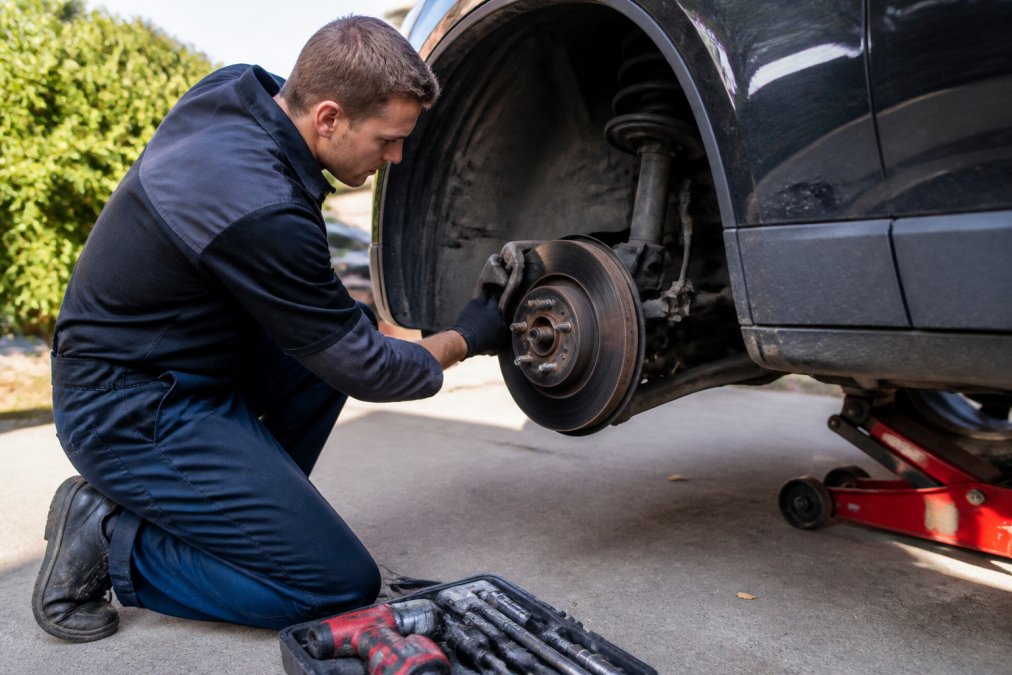
The inspector begins by reviewing your vehicle’s exterior. They’ll check all lights, inspect tires for tread depth and damage, examine the windshield for cracks, and look for rust or structural issues. They’ll then move to the undercarriage, inspecting the brake system, suspension components, steering linkage, and exhaust system.
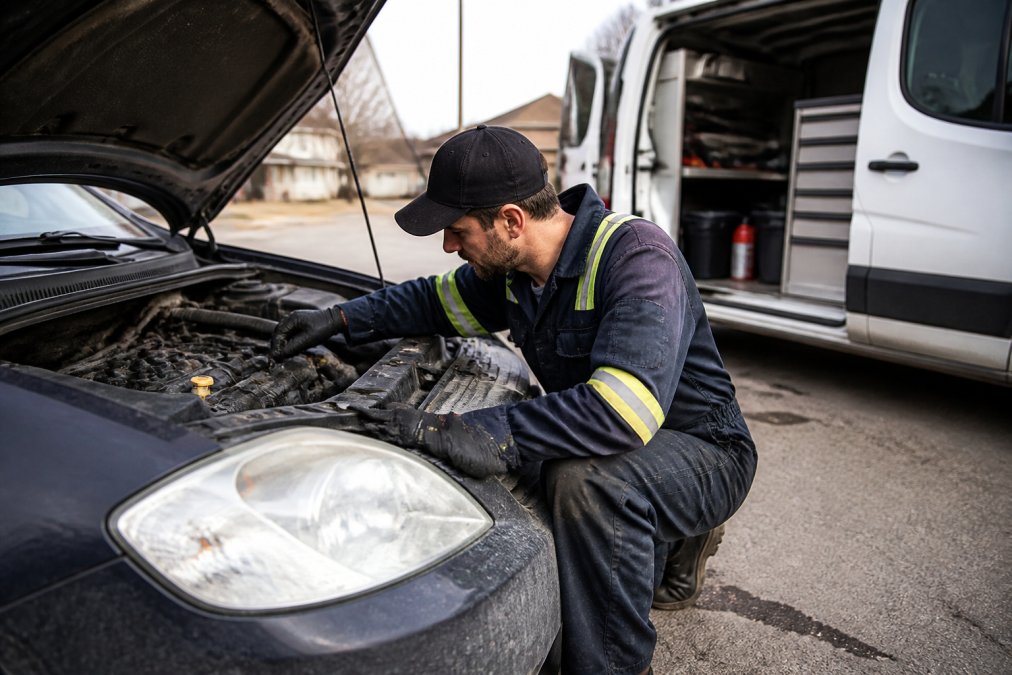
Next comes the engine bay inspection. The mechanic checks fluid levels, hose condition, battery health, and belt integrity. They’ll start the engine and listen for abnormal sounds, then review dashboard warning lights. The test drive follows, where the inspector evaluates braking, acceleration, steering response, and overall handling.
Finally, the interior inspection covers seat belt function, dashboard indicators, windshield wipers, and climate control systems.
Common Failure Points and How to Avoid Them
Brake system defects are the most common inspection failure. Worn brake pads, damaged rotors, or leaking fluid can all trigger a failure. Prevent this by having your brakes inspected annually and replacing pads before they wear to the backing material. Listen for squealing or grinding noises, these signal it’s time for service.
Mobile Mechanic Safety Check Cost and Value
The cost of a mobile on-site car safety inspection varies based on the inspection type and your vehicle’s complexity. Contact Vehicleinspectionservices directly for a quote tailored to your specific needs and vehicle.
What Happens If Your Vehicle Fails Inspection
A failed inspection isn’t a disaster, it’s actionable information. The inspection report clearly identifies which components failed and why. You now know exactly what needs repair before the vehicle is roadworthy or can be certified.
A failed inspection is not a reflection on you as a vehicle owner. It’s simply a snapshot of your vehicle’s condition at that moment. Most failures involve common wear items. Address them promptly and move forward.
| Inspection Type | Primary Purpose | Typical Timeline | Key Benefit |
|---|---|---|---|
| Pre-Purchase | Evaluate used vehicle before buying | 60-90 minutes | Prevents costly surprises after purchase |
| AMVIC Certification | Meet regulatory requirement for selling | 60-90 minutes | Legally required to advertise vehicle for sale |
| Insurance-Mandated | Maintain coverage compliance | 60-90 minutes | Prevents coverage cancellation |
| Routine Maintenance | Verify ongoing safety and performance | 60-90 minutes | Early detection prevents major repairs |
Frequently Asked Questions
How do I prepare my vehicle for an on-site safety inspection?
Start with a pre-inspection checklist: verify tire tread depth meets minimum standards, test all lights and warning indicators, check fluid levels, ensure seat belts function properly, and clean the engine bay so the inspector can access components easily. Review your vehicle history report and gather any service records. Address obvious issues like broken mirrors or loose trim.
What is included in an AMVIC inspection?
An AMVIC inspection verifies your vehicle meets safety standards and regulatory compliance before sale. The authorized inspector checks brake systems, steering components, suspension integrity, tire conditions, seat belt functionality, exhaust systems, and dashboard warning lights. The inspection generates a certificate documenting mechanical integrity and roadworthiness.
How long does an on-site car safety inspection take?
A comprehensive on-site inspection typically takes 45 minutes to 90 minutes, depending on vehicle complexity and condition. Scheduling flexibility is one advantage of mobile service, appointments can fit your calendar rather than shop hours.
What is the typical cost of a mobile mechanic safety check?
Mobile mechanic safety check costs depend on inspection type and vehicle condition. Pre-purchase inspections, insurance-mandated checks, and AMVIC inspections may have different pricing structures. The convenience of on-site service and journeyman-certified mechanics affects value. Contact your provider directly for a current quote rather than relying on estimates.