

Last Updated: November 12, 2026
Quick Summary
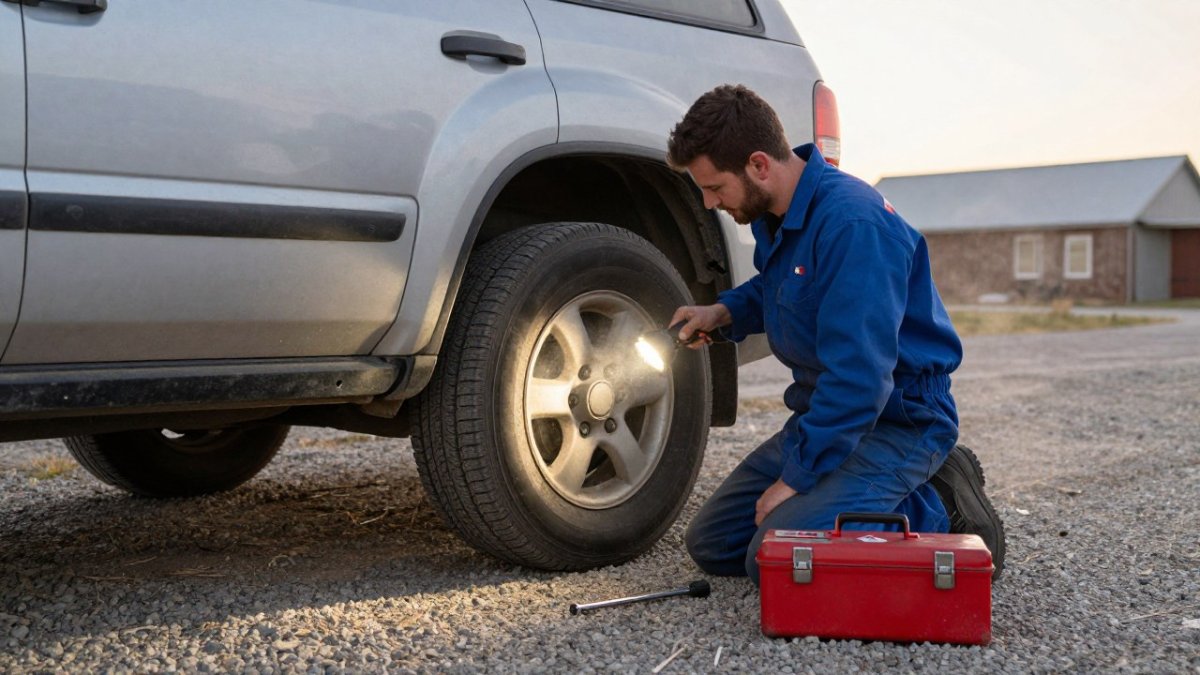
Mobile inspection services check whether your car can handle the stress of a long drive, covering brakes, tires, fluids, battery, lights, and warning lights. Vehicleinspectionservices offers on-site mobile service across Alberta, so you can get a pre-trip check without visiting a shop.
- Schedule the inspection at least one to two weeks before departure to allow time for repairs.
- Tell the mechanic your planned route so extra checks on cooling, brakes, or battery can be included.
- Check tire pressure against the driver’s door placard, not the maximum printed on the sidewall.
- Compare quotes in CAD against the same checklist, since pricing is not standardized.
- Choose a shop inspection instead if the vehicle needs a lift or is likely to need repairs.
Table of Contents
- What a Mobile Vehicle Inspection Covers Before a Long Drive
- Road Trip Vehicle Inspection Checklist: Systems to Check
- Pre-Trip Car Inspection Cost: What to Expect in CAD
- Mobile Mechanic or Shop Inspection: Which Fits Your Trip
- What to Check Before a Long Drive and Timing Your Inspection
- What Inspection Findings Mean for Your Road Trip
- Booking Your Pre-Trip Inspection With Vehicleinspectionservices
- Frequently Asked Questions
What a Mobile Vehicle Inspection Covers Before a Long Drive
Before a long drive, a mobile inspection services visit checks whether your car can handle highway speeds, heat, and hours of continuous use. Vehicleinspectionservices offers on-site mobile service at your location in Alberta, so you can get a check without a shop visit.
Scope matters, so ask what is included before booking. A pre-trip check is not the same as a full repair, and it does not guarantee that a car will never break down.
Road Trip Vehicle Inspection Checklist: Systems to Check
A road trip puts more stress on a vehicle than daily commuting does. Sustained highway speeds, heavy loads, and long stretches without service stops all expose weak points. The checklist below covers the systems a mechanic should review before you leave.
- Engine oil level and condition
- Coolant level and cooling system hoses
- Drive belts for cracks or fraying
- Brake pads, rotors, and brake fluid
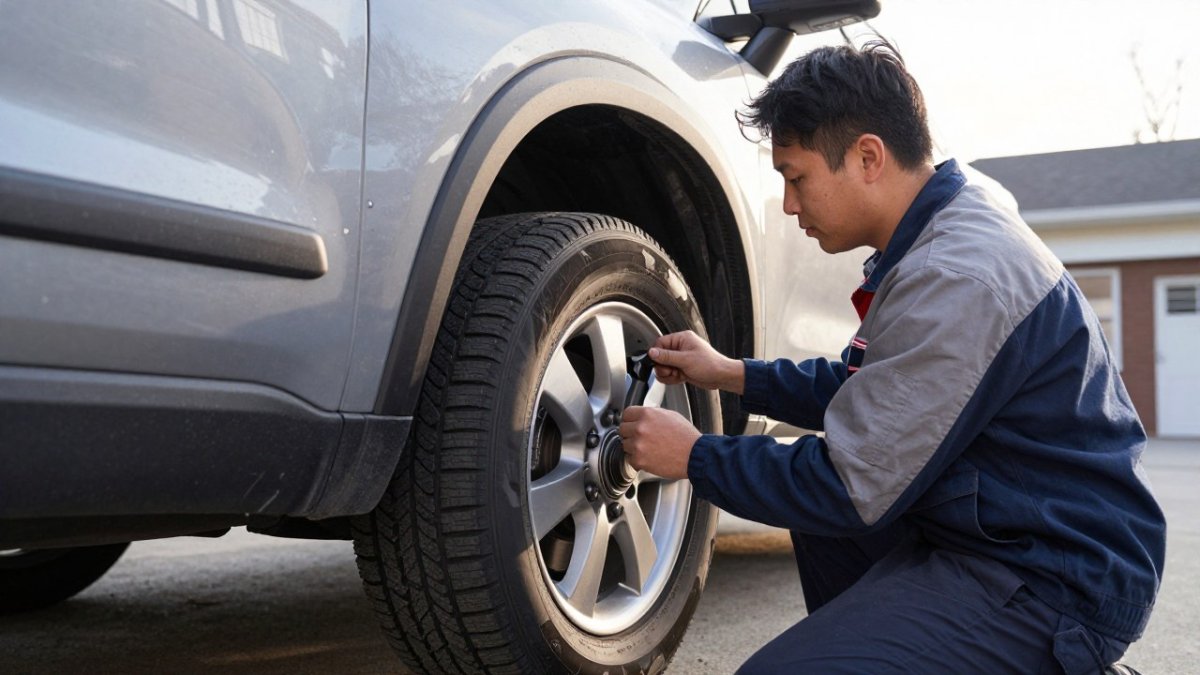
- Tire tread depth, pressure, and sidewall condition
- Spare tire, jack, and lug wrench
- Battery terminals and charge level
- Headlights, brake lights, turn signals, and hazard lights
- Windshield wipers and washer fluid
- Dashboard warning lights and diagnostic codes
Brakes, Tires, and Suspension
Brakes and tires carry the most weight on a long drive. Worn pads or low brake fluid can lengthen stopping distances at highway speed, which is when that risk matters most. A mechanic measures pad thickness and checks rotors for scoring or warping.
Tires need the same attention. Check tread depth and look for uneven wear, which can point to alignment or suspension problems. Set tire pressure to the level listed on the driver’s door placard, not the maximum printed on the sidewall. Underinflated tires run hot on the highway and wear faster (Riding On Air).
Suspension parts such as shocks, struts, and ball joints affect steering and handling over rough roads. A worn part may feel minor around town and become a real safety concern on a long, fast drive.
Warning Lights, Fluids, and Battery
A warning light is the car’s way of asking for attention. Do not ignore one before a long trip. A mechanic can read the stored codes and tell you whether the light signals a small fix or a larger repair.
Fluids should be checked at operating temperature and on level ground, following the owner’s manual. Low oil, low coolant, or old brake fluid can each cause trouble far from home.
Battery trouble often shows up in the cold. A weak battery may start the car in a driveway but fail at a rest stop. A load test shows how much reserve power remains.
Pre-Trip Car Inspection Cost: What to Expect in CAD
Pre-trip inspection pricing is not standardized, so it helps to understand how a quote is built before you compare offers. Quotes that look different on the surface often cover different work.
The main cost drivers are:
A practical way to compare quotes is to normalize them against the same checklist. Ask each provider to confirm in writing what is included at the quoted price.
Watch out: a quote that excludes key items can look cheaper while covering less work, so compare line items, not headline prices.
Ask whether a quote is tax-inclusive and whether any repair work found during the inspection is billed separately before you authorize it.
Finally, treat the inspection as insurance against trip disruption rather than a pure expense. A pre-trip check that catches a failing battery, a leaking hose, or worn brake pads before departure usually costs far less than a breakdown on a remote stretch of highway, where towing, emergency repairs, and lost vacation time compound quickly. Get two or three written quotes in CAD, compare them against the same checklist, and choose the provider whose scope and report quality match your route and timeline.
Quotes vary because each provider may cover different work, so the main cost drivers are worth comparing side by side.
| Item | Value | Note |
|---|---|---|
| Quote currency | CAD | Ask for a written quote in CAD |
| Pricing standardization | Not standardized | Quotes can cover different work |
| Comparison method | Same checklist | Normalize quotes against one checklist |
| Hidden cost risk | Excluded items | Compare line items, not headline prices |
| Tax | Ask first | Confirm whether quote is tax-inclusive |
| Repair billing | Separate | Ask before authorizing repair work |
| Quotes to get | Two or three | Compare before choosing a provider |
Mobile Mechanic or Shop Inspection: Which Fits Your Trip
Most pre-trip content treats mobile and shop inspections as interchangeable. If you have already decided on a mobile option, learn how to find a mobile mechanic in Edmonton. They are not. The right choice depends on what the inspection needs to prove, what equipment that requires, and how much time you have before departure. Use the decision framework below rather than defaulting to whichever is cheaper.
Choose a mobile inspection when:
- The vehicle is drivable and you mainly need a roadworthiness assessment, fluid and battery check, tire and brake measurement, and a diagnostic scan.
- Your schedule is tight and a shop visit would cost you a day you cannot spare.
- You want the inspection done where the car is loaded and parked, so the mechanic can also check the spare tire, jack, emergency kit, and load distribution.
- You are buying a used vehicle for a trip and want a pre-purchase check at the seller’s location.
Choose a shop inspection when:
- The vehicle needs a lift for a proper underbody, exhaust, or suspension assessment, or the mechanic needs to remove wheels to inspect brakes and bearings closely.
- You suspect a problem that requires specialized diagnostic equipment, alignment gear, or a road test on a controlled route.
- Repairs are likely and you want parts on hand and the car already in the bay, avoiding a second appointment.
- The vehicle is not safely drivable, in which case towing to a shop is the correct first step.
A useful rule of thumb: a mobile inspection is sufficient for a healthy, drivable vehicle that needs confirmation before a long drive, while a shop inspection is preferable when the inspection is likely to turn into repair work or when the vehicle’s history suggests hidden problems. If the mobile mechanic finds something that needs a lift, ask for a written referral and book the shop visit before you leave rather than after.
Watch out: a mobile inspection cannot replicate a lift-based underbody inspection, so if the vehicle has visible rust, a recent impact, or an unknown service history, do not treat a driveway check as equivalent to a shop assessment.
For road-trip preparation specifically, the mobile option has one underrated advantage: the mechanic sees the car as it will actually travel, with the cargo, roof load, and tire pressures you plan to use. That context can surface issues a shop bay never would, such as a spare tire that is flat, a jack that is missing, or a load that exceeds the tire’s rated capacity. Pair that with a shop visit only when the findings or the vehicle’s condition justify it, and you get the speed of mobile service without skipping the depth a lift provides.
What to Check Before a Long Drive and Timing Your Inspection
Timing is one of the most overlooked parts of trip preparation. Schedule the inspection at least one to two weeks before you leave. That window gives you time to order parts, book repairs, and retest if the mechanic recommends follow-up work.
A practical schedule looks like this:
- Two to three weeks out: book the mobile inspection and describe the planned route.
- One to two weeks out: complete any recommended repairs and review the report.
- Two to three days out: check tire pressure, fluid levels, and the lights yourself.
- Departure day: confirm the spare tire and emergency kit are in the vehicle.
Mention the planned route when you book. A mountain drive, a long stretch of highway, or travel in extreme cold may call for extra checks on cooling, brakes, or the battery.
What Inspection Findings Mean for Your Road Trip
An inspection report sorts issues into groups. Some need attention before you leave. Others can wait until you are home. Knowing the difference keeps you from overspending or taking unnecessary risks.
Treat these findings as urgent before departure:
- Worn brake pads or low brake fluid
- Tires with tread at or near the wear limit
- Leaks in the cooling system or engine oil
- A battery that fails the load test
- Warning lights tied to the engine, brakes, or charging system
Items such as minor cosmetic wear or a light oil seep may be safe to monitor. Ask the mechanic to explain each finding in plain terms and to rank them by priority. A good report tells you what to fix now, what to watch, and what to ignore.
If the report recommends a repair you do not want to pay for right away, ask whether it affects safety or only long-term wear. That answer should guide your decision.
Booking Your Pre-Trip Inspection With Vehicleinspectionservices
Vehicleinspectionservices brings automotive inspection and repair to your location across Alberta. Our journeyman-certified mechanics handle pre-purchase, insurance, and AMVIC inspections. Each visit includes a Complimentary Courtesy Check.
Book your visit early in your planning window, describe your route, and ask for a written quote in CAD. Contact us to schedule your pre-trip inspection and drive with confidence.
Frequently Asked Questions
What should a mechanic check before a road trip?
A pre-trip inspection usually covers brakes, tires including tread depth and pressure, suspension, fluid levels, the battery, belts and hoses, lights and signals, and a diagnostic scan for warning lights. Ask whether the inspection includes a written report with repair recommendations, since that report is what helps you decide whether the vehicle is ready for a long drive.
Can a mobile mechanic inspect a car before a long drive?
Yes. A mobile mechanic can check tires, brakes, and fluids at your home or workplace, which saves a trip to a shop. Confirm the service area covers your location in Alberta, and ask what the inspection does not cover so you know what remains your responsibility before departure.
How much does a mobile vehicle inspection cost?
Pricing depends on the type of inspection, the vehicle, and your location, so Vehicleinspectionservices provides quotes based on your specific request. Visit the website or contact the team for current pricing in CAD. Ask whether the fee is flat-rate and whether it includes the written report before booking.
Is a mobile inspection enough to prepare a car for a road trip?
A mobile inspection covers the mechanical and safety checks that matter most for a long drive, but it is a snapshot of the vehicle on the day it is done. Pair it with your own checks of tire pressure, spare tire, and emergency supplies, and schedule the inspection a few days before departure so any repairs can be completed in time.
